


The U.S. roofing industry is massive — and not all markets are created equal. Depending on where your roofing business is, you might feel like you’re riding the waves, or like you’re chained to a sinking boulder and struggling to stay afloat.
New roofers may struggle to compete these days, especially in major parts of the United States. The market is oversaturated by established contractors in much of Florida, the Carolinas, and some of the nation’s largest cities.
That doesn’t mean it’s impossible to compete. There’s always room for new blood. It just means roofers new to those areas need to know their stuff, fight to stand out, and work harder to earn their cut.
If you have the flexibility to move around, there’s plenty of potential for folks willing to put in the time. Here's a look at the numbers, the hottest U.S. markets, and what it takes to win in each of them.
How many roofing companies are in the United States?
There are over 105,000 roofing contractor businesses operating in the United States, according to industry estimates. The market generates over $56 billion in annual revenue, driven by new construction, storm damage, and routine replacements. Residential roofing accounts for most of that work.
The typical roofing business owner surveyed in Roofr's 2025 industry data has been in the trade for over 15 years and runs a company with a median annual revenue of $5M. The workforce is mature and experienced, so new entrants really need to be sharp to compete.
The biggest roofing markets by state
The states that need the most roofing have the right combos of size, climate, and storm weather. Top markets by volume include:
Florida — Hurricane and hail activity means replacements are needed year-round. 38% of roofing jobs nationally are part of an insurance claim, and that number’s even higher in Florida.
Texas — Hailstorms in the DFW Metroplex and Houston area generate gigantic demand. Texas is one of the most competitive roofing markets in the country, but can also be one of the most lucrative.
California — Population density, high home values, and wildfire risk. That means consistently strong demand for premium roofing materials.
Georgia — A fast-growing population and active storm season make Georgia one of the Southeast's top roofing markets.
The Midwest — Freeze-thaw cycles and seasonal hail make the Midwest a reliable market for both repair and replacement work.
What makes a market good for roofing contractors?
The best roofing markets share a few key traits:
- Older housing stock (more roofs that need replacing)
- Active weather events (more replacements, more often)
- Population growth (driving new construction)
- Homeowners with income (to hire instead of DIY)
Markets with strong insurance penetration also often generate higher average job values. That said, retail work is quickly gaining as insurance work becomes more unwieldy for contractors to navigate.
For roofing contractors, these are the factors that matter. It’s not always obvious in the headlines, so it’s best to watch up-and-coming markets, talk to locals, and make your own call about where to set up shop.
Fastest-growing roofing markets to watch
Plenty of markets are growing fast, including Nashville, Phoenix, Charlotte, and a few other southern U.S. cities seeing population booms.
Keep an eye on these growing-under-the-radar roofing markets in 2026-2027:
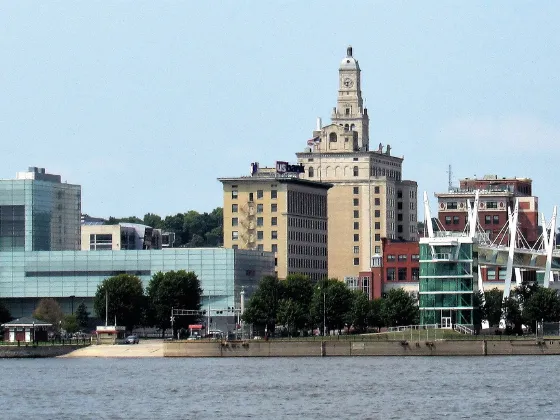
Iowa: Ankeny City & Davenport
Iowa often flies under the radar, but it’s got plenty of great up-and-coming spots for new roofers.
Ankeny continues to grow as a Des Moines suburb, pulling in families, new housing developments, and steady residential work. It’s the right mix of wear and tear without an overcrowded market. A bit east of that, Davenport, part of the Quad Cities, brings a mix of older housing stock and commercial buildings that always need attention.
The big driver here is weather, thanks to:
- Heavy snow loads in winter.
- Hail and wind events in spring and summer.
- Big temperature swings that wear down shingles and flashing.
That combo means consistent demand for repairs, replacements, and insurance work. Competition exists, but it’s not oversaturated compared to larger metros.
If that consistency sounds nice, Iowa’s calling.

Colorado: Castle Rock & Colorado Springs
Both Colorado Springs and Castle Rock are fast-growing communities, fueled by population growth, military presence (home to Army and Air Force bases), and people relocating from higher-cost areas.
These markets are strong for roofers because of:
- Hail storms that hit hard and often.
- Fast new construction and older aging neighborhoods.
- High elevation UV exposure that lowers roof lifespans.
Castle Rock especially has seen a substantial boom in new subdivisions, which means future replacement work’s already kind of a given.
Colorado Springs blends residential, commercial, and government buildings, so there are multiple angles for roofers to specialize in.

Michigan: Detroit & Grand Rapids
Michigan is a tale of two roofing markets that both work beautifully.
Detroit has a HUGE amount of aging housing stock. Flat roofs, low-slope commercial buildings, and older shingles mean steady repair and replacement demand.
Grand Rapids, on the other hand, has been growing faster and attracting new residents and businesses. It’s just a solid spot on the up-and-up with a fast-growing population.
Across both cities, roofers deal with:
- Heavy snow and ice.
- Freeze-thaw cycles that really punish roofs.
- Wind storms and sometimes hail.
If you know how to price winter damage correctly and manage seasonal slowdowns, Michigan can be a very reliable place to build a roofing business.

Indiana: Fort Wayne & Indianapolis
Indiana’s still one of the strongest Midwest roofing markets, especially for contractors who want balance.
Indianapolis offers scale. It has a large metro area, steady commercial development, and plenty of residential neighborhoods that have been built in waves for decades. Fort Wayne is smaller, but growing steadily and often less competitive.
Both are great local spots where you’ll want to grow your reputation as the friendly neighborhood roofer.
Indiana weather keeps roofers busy:
- Strong storms in spring and summer.
- Significant snow and ice in winter (and it’s only getting snowier).
- Hot, humid summers that speed up material wear and tear.
Roofers here can succeed by offering residential and, if you can, light commercial services. If you’ve got insurance work figured out too, you’ll be in a great spot in Indiana.
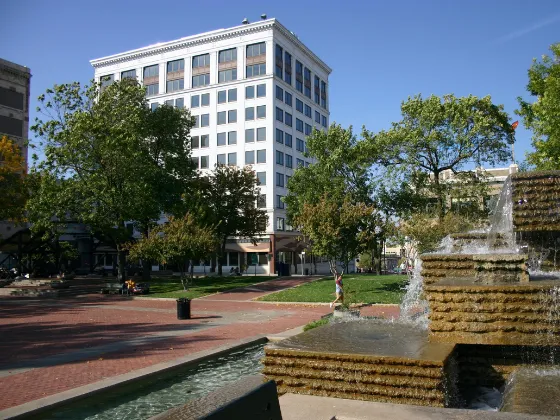
Missouri: St. Louis & Springfield
Missouri offers an almost perfect mix of affordability and demand.
St. Louis has a large base of older homes and commercial buildings that need ongoing roof maintenance and replacement. Springfield is smaller but growing fast, with a steady mix of residential work and regional commercial projects.
In terms of weather, you can expect:
- Strong thunderstorms and hail.
- Tornado activity in surrounding areas.
- Big seasonal temperature swings.
These cities reward roofers who know how to handle storm season, and who get insurance workflows and long-term customer relationships. It takes a bit of time, but investing in professionalism, great service, and top-quality work will win you a loyal customer base.
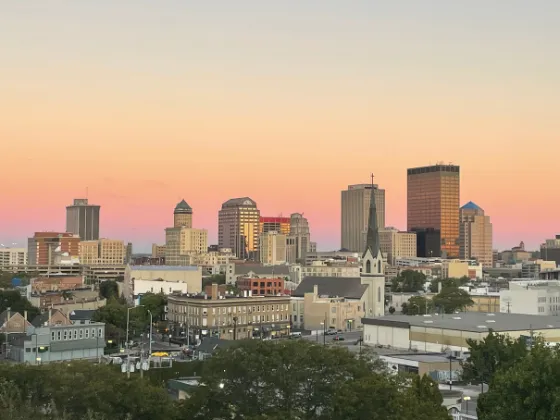
Ohio: Toledo, Cincinnati, & Dayton
Ohio is one of the most dependable roofing regions in the country. We’ve listed three cities here, but the sky’s almost the limit when it comes to Ohio. Most cities in the state are solid places to start a small to medium sized roofing business right now.
Cincinnati and Dayton are still growing with healthcare, logistics, and manufacturing jobs. Toledo brings a mix of industrial, commercial, and residential roofing opportunities. In all cases, Ohio has a population influx and a ton of aging residential homes that can use the work.
Roofing demand here comes from:
- Older housing stock.
- Snow, ice, and freeze-thaw damage.
- Big spring and summer storms.
Ohio ain’t always flashy, but it is consistent. Many roofing businesses can succeed and even scale here by doing quality work and reaching customers with a good referral pipeline.
How to compete no matter which market you're in
If you’re thinking about expanding your business, relocating, or even just adjusting your marketing focus, these are the markets to pay attention to. Just remember that there’s always risk involved, no matter how high the market potential seems. There’s no such thing as a sure bet. Just a calculated decision.
And no matter where you work, having the right systems in place makes it easier to win jobs, stay organized, and scale without burning out.
With measurement reports, stunning proposals, CRM tools, and more, Roofr can help you move faster, impress customers, and put best practices in place without breaking the bank.
- Sign up for free to try our tech out for yourself.
- Or, book a demo with our team and bring your toughest questions.
Frequently asked U.S. roofing market questions
How many roofing companies are in the US?
It’s estimated there are over 105,000 roofing contractor businesses in the United States.
What state has the most roofing contractors?
Texas, Florida, and California have among the highest concentrations of roofing contractors, reflecting their population size and weather-driven replacement demand.
Is the roofing market growing?
Yes. Homeowners will always need roofs.
The U.S. roofing market has grown steadily, driven by aging housing stock, severe weather events, and population growth. Industry projections point to continued growth through the late 2020s.
What is the biggest roofing market in the US?
By overall revenue and volume, Texas and Florida consistently rank as the two largest roofing markets in the country.