

"You Don't Find Roofing—Roofing Finds You" with Matthew Marsh
Summary
From Disney to the Marine Corps to Roofing. This week, we're talking to our May Roofr of the Month, Matthew Marsh of Eastern Shore Roofing and Remodeling in Maryland.
Matthew shares the story of how bad contractor communication led him to start his company three years ago, reaching $700K+ with three trusted crews and a 70/30 roofing-to-remodeling mix.
Pete and Matthew discuss everything under the sun:
- Matthew's background as a carpenter
- Finding reliable roofing crews
- The pitfalls of per-square pricing
- How roofing tech touches every part of the business
- Growing toward $5M in revenue
It's a great story with a lot to take away. Listen in with us!
Transcript
Hey everybody. Welcome back to the Roofr Report. I am your host, Pete McKendrick, and we are back with another episode of Roofr of the Month. This has been, again, a fantastic deal for us to be able to showcase some, some really great Roofrs and, and meet some really good people, you know, that maybe the industry isn't familiar with.
Uh, you know, so many times you see the same guest over and over on these, uh, these podcasts out in the roofing industry. So we've been fortunate enough with this Roofr of the month series to really, uh, you know, be able to bring some people, uh, in front of the camera that maybe haven't been showcased and, and get to meet them and, and learn a little bit about their business.
And we've got another one here today. So our news route for the month will be Matthew Marsh. So welcome Matthew.
Matthew: Thanks, Pete.
Pete: All right, so Matt is with, uh, Eastern Shore Roofing and Remodeling, so based outta Maryland. So we're gonna find out a little bit about him today and, uh, excited to kind of dive into it, learn a little bit about you and the business.
And so, uh, let's talk first though a little bit about Eastern Shore Roofing, right? Um, obviously you guys are in Maryland. Uh, tell us a little bit about the business. How long have you guys been in business? How big of a company are you? You know, how many employees do you have? That kind of stuff.
Matthew: We're, we're still a small, I would call it a small but growing company.
Yeah. Um, I, I'll, I'll just give you kind of like why I started the, the business.
Pete: Yeah.
Matthew: Um, so I moved here about five years ago, uh, from Florida and we bought, my wife and I bought a, a big bed and breakfast and, uh, needed a, a little bit of work done on it and that type of thing. And I had been in the construction in industry in Florida in the past.
And then when I saw how the, the contractors here were just not, at least the ones that I dealt with, right? Were just not getting back with me. Were kind of giving me the runaround, the quoting and that kind of thing. And I just was like, I can do this better. You know, I can, I can, I can communicate with people and that kind of thing.
Um, it took me a couple years just to kind of like, you know, get that process into a company. So I've been in business for about three years now. Um, and. I called it roofing and remodeling. And looking back sometimes I kind of wish I didn't even have that remodeling on the end. Um, you know, because roofing is definitely where the, the quick turnaround, that type of project management I really like.
Um, but yeah, I mean, uh, I think we did. Close to 700,000 last year. Um, but with that I'm reinvesting into, you know, better marketing, um, you know, some billboards, things like that. And I think that this year is gonna be that year that I kind of start to, you know, ramp up. Um, I went through a few crews that, you know, I, you know, had so-so luck with.
And now I've got my, my great team of guys. I've got three really good crews out there that I can, you know. I, I can trust them to be on a roof without me having to, you know, be, be looking over their shoulder, um, and get it done in a day or two. And, you know, so really feel like I'm at that point where I'm starting to break out and get closer to, you know, I.
That scalability mode.
Pete: Yeah, I love it, man, this is great. I mean, I love, this is the one thing that I've really enjoyed about the Roofr of the Month podcast is that it's allowed us, you know, these episodes have allowed us to really see some growing businesses, some businesses that have just started out.
You know, we a, a lot of the businesses, a lot of the cust uh, contractors that I interview, you know, are in their first, second, third year of business, right? So they're still fresh and, um. They're great conversations. It's great to understand like how you got into it. It's great to learn, you know, some of the challenges that you're facing and we'll talk about those today.
But let's go back and talk a little bit about. Uh, kind of prior, right? Like how did, how did you, what did you do before you got into roofing? And obviously you kind of explained how you got into roofing, so, uh, maybe explain a bed and breakfast idea that, that's pretty cool. Yeah, that's, that's an interesting avenue into, into the roofing industry there.
That
Matthew: was, I'll, I'll be honest, that was just like one of those COVID boredom decisions to relocate, you know, from Florida to a big old bed and breakfast. The, the Eastern shore in a very small town with 2,500 people in it. Pretty cool. Um, snow Hill, Maryland, and, you know, somehow, somehow we just took that leap.
I think it was a lot easier during COVID to kind of let the, your boredom get the best of you and make crazy decisions. Um, but I started it, I started as a carpenter at, at Walt Disney World in Orlando Oh, wow. When I was 18. And, uh, you know, so I, I was working with the carpenter's union there, doing all kinds of stuff there for many years.
Um, and then, you know, coming back to Roofr for the last, you know, 10 years I've been, you know, kind of doing some, like house flipping and that kind of thing. But I also have worked in technology and so when I came into the roofing business, that was one of the things that I really wanted to focus on as I knew I was gonna gonna like look into technology.
Um, when I. When I got into the business, right at first I was just like, well, let me see if I can make some sales and kind of, you know, get off my feet, uh, get, get off the ground. Um, but you know, quick after that I knew I was gonna be looking into technology and that kind of thing. 'cause I've been doing some technology work over the last, you know, 10 years as well.
So, um, a little bit of a. Different background than maybe a lot of Roofrs and, and, and folks in, in, you know, just kind of been all over the place. Um, I think, you know, after working in, at, at Disney in construction and carpentry, I, uh, I joined the Marine Corps, so that kind of broke things up for me a little bit.
Um, but, you know, it's, uh, it's been a, a different path than most. But, you know, I'm, I'm happy to be here where I'm at right now, so.
Pete: Yeah. That's cool. Now, do you guys still own the bed and breakfast too?
Matthew: Yes. Yes.
Pete: Nice. Running, running both at the same time. I like it. Uh, I did the Disney thing for one summer. I worked there for one summer in college.
Experience that working till two o'clock in the morning. I was actually in the park working, believe it or not. But uh, yeah, it's a, that's a, that's a crazy, uh, crazy place to work.
Matthew: Yeah,
Pete: I can imagine. Well, early morning,
Matthew: because we don't want you doing work in front of people, that kind of stuff. So
Pete: yeah. I remember coming in early one time, you know, and coming before the park open and it's like.
A full on construction site in there. Right? You got got Yep. Guys doing carpentry, guys painting and all this stuff. And then like nine o'clock rolls around and the street is dry from the guy power washing it, the paint is dry. Like you would've never known anybody was even there. It is unbelievable, right?
It is. Well, it's
Matthew: quite a show there.
Pete: Yeah. Yeah. So that's funny. Um, well, cool man. Uh, this is exciting that you guys, uh, and it's an interesting path and like you said, I think, uh, everyone. We always joke, you know, that, um, our, our standing joke is like, you don't find roofing. Roofing finds you. Right? It's kind of like you have this background, a lot of diverse backgrounds in the, in the roofing space and, you know, you always end up kind of like falling in the roofing.
You like, like you kind of found it, right? You, you saw Right. An opportunity there and we're just like, Hey, I think I could do this a little bit better than these guys are doing it. So, um, how did that work? Not really having a roofing background or not having really been exposed to roofing much. And then deciding to start a roofing company more or less from scratch.
Like, well,
Matthew: I've, I've the challenge, I've done it like a little bit, you know. Yeah. I dabbled on, on a few. Yeah. Um, and just talking with, you know, some of my colleagues in the area around the, the, you know, construction industry, some folks that I knew around, you know, that after I moved here got to know, um, they just, you know, they, they were mentioning things about this being a good space.
Um, and so again. Why I called the company Roofing and Remodeling, because my background was probably a little bit more tailored towards, you know, the, the construction side. Um, but then when I got into it, I just, you know, I learned a lot really fast. Um, you know, started meeting up with the suppliers, just using the, uh, internet a ton.
You know, there's so much that you can learn just from ab absorbing on the internet, um, you know, all these videos that are out there. And then, you know, from there. Just got the experience in the last three years. I've, I've done a ton of roofing, um, in the last three years. And, you know, I feel like now, at least with, with asphalt roofing metal tiles, TPO, these kind of things, I'm.
I really, I, I feel like I know my stuff at this point, you know? Yeah. Um, I know that there's still a lot to learn. There's not a lot of tile roofs around here and things like that, but, and you know, I, I know I do not know everything in three years for for sure, but I have guys on, on my crews that, you know, they've been slinging these hammers on roofs for their entire career.
Um, so I, I lean on them as well. Um, and, and we. We really do our best to just make sure that we're doing a good job for people. Um, and, and like I said, the communication, right. Um, if we're gonna, if we say we're gonna be there between seven and 8:00 AM we're there between seven and 8:00 AM right? Um, you know, we're not showing up at 11.
So, and I, I think that in this area people appreciate that. I think everywhere they do. But I think in this area you get a lot of that where folks just show up late or like I, the experiences I had where they don't show up when they say they're going to or things like that. So.
Pete: Yeah. Yeah, I used to live in St.
Augustine, Florida, which I'm sure you're familiar with. If you were in Orlando and uh, we used to have a joke there that two weeks late was a week early. Right. So. Right.
Matthew: I think it's because we're in beach areas. Right, exactly. We got the beach right here. It's very, I get it. I get it. But
Pete: still mentality like, yeah, maybe I'll show up today, maybe not.
You know, there's
Matthew: a lot of fishing to do.
Pete: Yeah, exactly. Yeah. Yeah. So, uh, yeah, it depends on the weather, right? So, um, talk a little bit about, are you guys, what's kind of the breakdown? Are you guys doing mostly roofing at this point? Are you still doing some remodeling? Like, are there other pieces
Matthew: of the puzzle there?
I, I am doing a little bit of remodeling still. I'd say the, the breakdown is probably 70 30. Um, and for, you know, for myself, I'm, I'm thinking about just going kind of towards just mainly like four core exterior areas, right? Like, so like we got concrete down, um, decks as well and siding. But I think even then I'll probably, even if I'm full blown doing all those services, I think I'd probably still be more like 70, 70, 80% roofing.
Pete: Yeah. Cool. Yeah. Is it just because the, you think it's just straight more straightforward or the speed with which you can accomplish
Matthew: it? So, and, and I think that's why all I, I'm, I'm, I'm kind of pushing all four of those services or all four of those, you know, verticals is because each one of those is kind of a quick turnaround, similar to, to roofing, right?
Like concrete. It's a couple days. Depending, I guess, on, on the scope of the project. Right? Right. But it's, it's kind of quick turnaround supply is basically one thing, right? Roofing Roofing has a lot of materials and things like that, but you guys made it really easy to just kind of press a button and like, I don't really have to worry about it too much, like an over analyzing all those little things that I need.
Right. So, um, you know, that's what I'm looking for. Those kind of, those projects that, you know, we can complete in two or three days as long as we, you know, do some planning around it. Um, and, you know, walk away with a happy homeowner. Uh, as opposed to remodel projects that I found were, you know, lasting months and months.
Yeah. And then you get to the little tiny details, headaches.
Pete: Yeah.
Matthew: Yeah. Yeah. So
Pete: yeah, that's how I started, uh, on the, in the construction industry, is I started doing remodels and, you know, from kitchens and baths to exterior stuff. Uh, to everything. Right. And I was actually a carpenter as well. And you know, it's.
Uh, can be a nightmare. Right. Those projects always turn into a can of worms it seems like. Right? And there's always
Matthew: something, right? All kinds of color changes. Yeah. All kinds of a different handle than I thought it was gonna look like. You know what I mean? So
Pete: too many
Matthew: variables. A sh a shingle roof. You know, a metal roof.
Just pick the color. You kind of basically know what you want, and as long as we put it on right, we can walk away from it, you know? So.
Pete: Yeah, for sure. So, talk a little bit about, you're in your third year of business, right? Talk a little bit about the biggest challenges that you've faced, uh, coming in. You mentioned k kind of going through a couple crews early on.
Uh, what are some of the challenges that you've run across? You know, starting out,
Matthew: I'm, I, I'm not gonna say that any of the, the guys that have worked for me are, are, you know, I, I've run through any bad guys necessarily. It's just. Um, you know, different work ethics, different things that, you know, I think come with, like you said, being close or like I mentioned, I think being close to a beach town and, and that type of environment.
So I think it was kind of finding the right crews, the right people. Um, you know, at first selling seemed a, a little bit easy, right? I don't know, maybe it's 'cause I was brand new and, you know, I, I think I built my first website myself, you know, with one of those, like build it yourself kind of tools. I'm not a programmer by any means.
But, um, you know, somehow I was able to land, you know, enough jobs to kind of prove that I had a, maybe what I would call a minimum viable product or something. Right? Like something to move forward with. Um, and from there it was, it was kind of consistently selling was a problem. Then it became. You know what I, how I was quoting jobs, you know, 'cause I was kind of going, oh, we're selling by the square.
You know, like that's what I kind of learned from my guys, you know, around here going, you know, X amount per square. And so then I end up finding that, you know, on certain projects I'm underbidding them. Um, you know, and it's, it's kind of hard to kind of go. Kind of figure everything out. And so there's a growth that came from that, right?
Going from square to now kind of materials plus labor, plus a little margin, right? So, yeah, you know, I think that's a, a spot where I grew a lot when I, when I, when I, when I started, you know, calculating my jobs like that, which. I'll be honest, I don't really think I did that much until Roofr, 'cause I didn't really have, you know, yeah, you can go and put your materials in and get that, but kind of, you know, really knowing everything to be able to analyze and just Mark, do a markup as opposed to going off the top of my head, well this house looks like it should be X amount per square.
Um, and I'm sure there are guys out there that have been in the industry 30 years and they can just look at it and like that. Right. But for me that was, you know, kind of a, a, a little bit of growth that happened there. Um, you know, I think I, yeah, I think just crew management, finding good crews, good, reliable crews, that, that was one of the biggest pain points.
'cause you know that, that saying we're gonna be there at seven and showing up at noon. That hap has happened to me several times with my guys, where I am at the clients. House trying to explain where my guy is when I have no idea where he is. I'm just trying to take all the blame, you know what I mean?
Going, ah, he's gotta told me he was gonna show up, you know? And so I, I've been there and they, they usually did show up, but like, you know, 1230 on a day where we're gonna be there in the morning, it just doesn't, doesn't look good, doesn't feel good, stresses me out, stresses the client out. Um, so, so now I've got my guys, I say.
You know, oh, we're gonna be there by seven 30. I get there and they've already got something ripped off the roof. You know what I mean? It's like, this is a completely different, um, mentality of the, of the people that are on my cruise now. And, and that's just a blessing to me. And, and, you know, I think they like working with me too, right?
So I, I kind of help bring in the business and, and we're all working together and, you know, things seem like they're. We, we, we see a good horizon here. So,
Pete: yeah. It's interesting that you brought up the point about the per square pricing, right? Because this is something that we deal with on a daily basis on our side, is talking to Roofrs, you know, and sometimes it's experienced Roofrs, sometimes it's inexperienced Roofrs.
That are doing it. But you know, the, this idea of like, oh, I'll just quote by the square. It's a little bit more straightforward. It's a little bit easier, right? It's, it's easier for me to teach that to someone who potentially comes in as a salesperson and doesn't really know roofing. Just say, Hey, take the number of squares, multiply it by this number, and you've essentially got your price right.
Um, you know, and so I get the idea of it, but, uh, to your point, right, like it definitely puts you in a position where. If that pricing is not accurate or is not down to the numbers specifically, it can definitely leave some money on the table for you or put you in a position like you say, where you're underquoting jobs and potentially losing money.
You know, I remember when I first started on the CRM side is, you know, we would often talk to contractors and they'd say, oh yeah, just quote by the square. This is my per square price. You know, and then you would get to profit margin and realize, you know, once we started adding job costing, like you said, you know, and you could really kind of see the numbers, you'd realize like, oh, we're not making as much profit on this job as we initially thought we were.
Or maybe we didn't even know, like maybe we didn't even look at profit margin, right? Like we just said, here's the cost of the job. I literally had a Roofr tell me once, here's the cost of the job. Here's all my bills when they're paid, whatever's left over, that's my profit. He had no idea until everything was paid, what he was even gonna make on the job.
You know? So, so I think that is a mistake potentially that's made early on when, when folks are starting a, uh, a company, you know, starting a business is that it's just like, okay, you know, maybe my inexperience, I'm afraid I might forget something. I'm just gonna quote in this fairly general way, but you are potentially leaving a lot of money on the table.
Matthew: Yeah, and I think I signed up for Roofr. Like a year and three months ago. I think last January was like my, my, my kickoff, right? And, and from before that I was just using like a contracting software. I had like probably trying to keep track of my leads on sheets of paper and Excel. And I think I tried some other, like, you know.
Um, CRM tools, uh, like out of the box type stuff, just kind of anybody can have a CRM. Um, before I, you know, before I looked into roofing specific or, or, uh, you know, service industry specific CRMs. And so I was one of those guys that when you guys sat down with me, I was like, oh, this is my, you know, this is my per square, you know, and then I think your people kinda showed me that the system could work with, you know, the materials and everything.
And I was like. Yeah, that looks awesome. And I'll be honest, it still took me a few months to kind of like
Pete: sure,
Matthew: wrap my head around everything. In fact, I'm still starting to use more of, more of the tools. I was definitely the, you know, per the square, let's just program the system to do that. Wow. If I would've done that, I'd probably be out of business because, you know, I've worked on some, some houses that the per square price would be close to double what I would've probably put into the system.
Um, and without that, you know. You are, you're not gonna make profit. You're gonna, you're gonna be taking profit if you make it on another job just to pay for another job. So,
Pete: yeah. Yeah, because I think a lot of times when guys are per square quoting, right, they're, they're not taking into account all the other small things, right?
Like. Potentially how cut up a roof is access to a roof. Like you're in a beach town, like I worked in a beach town. There's houses sometimes that you're just like, this is a nightmare to even get product to the house or, you know, uh, to get access to the house to do stuff, you know, to, to bring a truck in there to materials is not gonna happen.
Right. And
Matthew: mean you got different waste factors. Exactly. Yeah. You got different waste factors. You got, um. You know, you, you here, we have a lot of older houses that just have SLA boards and stuff, so you gotta kind of look into that. You, you know, you can't necessarily charge per square if you gotta put all new plywood on everything, right?
You gotta really kind of estimate your materials. So,
Pete: yeah, and I think, like you said, I think that you, you know, it puts you in a situation where. You know, if you're not careful, right? If you don't really know the full picture, you can, that, that quoting in that way can potentially hurt you. So, and like you said, maybe there's guys out there that have been, you know, that are listening, that have done it 30 years and they can look at a roof from the ground and go, yep, I know exactly what this's gonna be and you know, but I don't think that that's.
The norm. Right? I think that, that those guys are a bit unique.
Matthew: Well, any of us can look at a roof and tell you what the per square price could be. Right? Yeah. It's how much profit are you actually gonna make on that roof and you know, and what are your costs gonna be? If you can say all those, then a, you're definitely an expert.
I'd like to, I'd like to hang out with you. Right. But, but if not, I mean, I can go out there and go, I'll do that one for six 50 a square. Right? Like, yeah. But that doesn't mean anything unless I know exactly what I'm gonna be spending, you know?
Pete: Right. Yeah. So what have you found to be, uh, the most effective tools in Roofr so far for you?
Like what has helped you the most, uh, of using the CRM?
Matthew: I would say that, first of all, just the CRM system itself, right? The, the core CRM being able to put people through a funnel, right? A new lead comes in. They then move through my, you know, sales funnel all the way through invoicing and, and then they're a, a completed job and they're, they're no longer in front of me anymore, but I kind of have 'em in the reserve tank if I want to, you know, send a marketing email out or something.
Um, I mean, that was, that was number one what I was looking for. And Roofr serves that perfect, pur that purpose perfect perfectly. But the tools that, the tool that, I think there's two tools that I think are the, like winners here that are like beyond. The, the, the ability to put out a very professional looking quote.
And you guys helped me put together an about me page, you know, like very nicely branded, um, with the colors of my business, my logo, even my picture I think is on there. Uh, nice about me, background, kind of some of the stuff that I've already shared and talked about. Um, but it puts together this beautiful quote, I'm able to bring in the, uh, the Roofr measurements, right?
So I mean. Look, I'm just gonna tell you what I like about the system. It's not gonna be just one thing. What it is, is the full process, because I can take a satellite measurement using the, the Roofr measure tool that comes into my, into my quote. So it automatically gives me all my, you know, ridge length, my eaves, my rakes, the area of the roof, everything.
Um, from that I, I'm able to generate a quote. That looks amazing. Very many pages I brought in my, like, you know, my, I, I work, uh, with GAF predominantly, I'm a GF certified contractor, so I'm able to bring in my GAF, um, you know, materials to kind of show the difference of, of the shingles and the colors and things like that.
And then from there I send out this beautiful proposal, right? I've even got my license and insurance information in there. So there's like no questions, right? Everybody, they look at my proposal, they don't have to go, oh, are you insured? Oh, do you have a license? It's like, everything's just there for you.
You know what I mean? Just take a look. Um, so I send that out and if they're, if they're ready to move forward, I can go ahead and just order all the materials from my supplier. Um, you know, so it's. So me, that's what you said. Is there one thing that, that, to me, that's one big thing, but it's, it's several small things in the in, in between that just make like the quoting and ordering and getting the project kind of scheduled, streamlined that it's a no brainer.
You know what I mean?
Pete: Yeah. Yeah. I mean, one of the things that we've worked really hard to do well is that whole, is to make that whole thing as seamless as possible, right? To try to make that whole workflow for you guys and that whole process. Flow very easily. Right? And so we, and we constantly are working to improve it, so I'm glad that, that, glad to hear that it's the whole ecosystem together that's really shining this.
What would
Matthew: say, this is what I would say to anybody that's like thinking about getting SCRM or that just bought one. Like I told you, I, I came off of a very simple contracting platform that just, it was, you know, just to kind of build the contracts. I was trying to manage the jobs from within there. So I went to, to Roofr.
And probably about two or three months I was just kind of entering my leads. I was still managing it from this contracting. And then finally I was like, I've just gotta start using this. Oh my God, it changed my life, it changed my business. Like it, it was difficult. You know, it, it takes about two or three weeks, a month or so to kind of start to like, but once you actually start using it.
To, you know, go, I'm gonna put a quote together on this. And, and then once you have it built out fully, it's just like seconds. I, I, I'm so proud of how quickly I can send a quote out to people. Right? Yeah. You know, it's awesome.
Pete: Yeah. And I just love that. One of the things that I always brag about when people ask me, like, you know, they say like, oh, you, you know, you see the whole product.
What piece do you love the most? And I say, you know, proposals is really at the heart of it. The proposal tool has evolved so substantially for us that it more or less has like replaced the old, you know, when I started eight years ago in roofing, you know, the, the proposal was essentially you're an in-home presentation, right?
I would sit down at your kitchen table and. You know, tell you all these things. Now I can show it to you. In this proposal tool, it essentially became the in-home presentation, right? Like you said, you have all of your licensing, your insurance in there, your brochures, like all the information that as a customer I want to see and I want to know.
Is literally living in that proposal and I can just pan through it and sign right. And so,
Matthew: and it's, it's so cool how customizable it is. Like when you like want to add some tweaks, you can add whatever kind of pages you want. Yesterday, in fact, last night I was up, I have a commercial, um, potential client, um, that I'm, I'm trying to win, uh, in Ocean City.
And so I took, like, pictures of their building and put it onto the cover page. You know what I mean? Like usually my, my cover page I just send out, especially residential. I'm not trying to like. Customize that to everybody's house. I'd be here, you know, just doing that all day. But, you know, on a larger project, on a larger, you know, something like that, it's, it's really cool to just be able to quickly, Hey, I want to upload a picture of your, their property, put it on there.
It makes it look very customized, right. So,
Pete: yeah. Yeah. Very personal. It's very cool. So, talk a little bit about what the plan is for the company, right? Like, what, what do you, what's your goal for like the next three to five years for Eastern Shore? What are you trying to accomplish?
Matthew: Oh man, I, well, first of all, I want to bring in some admin, um, support, you know, like some, some sales, ideally sales and project management support.
Um, just because right now it's like me and like one other person really, you know, trying to run around and, and do everything. Sure. But I mean, I'm, I'm investing. A lot of what I bring in back into the company. Right. So branding, you know, I've got t-shirts on order right now. I've got trailer wrap, got a, my first billboard, um, went up on a causeway over by Chin Tee Island, which is in Virginia.
Yeah. So I do service the Eastern shores of Maryland and Virginia. So for the next three years, I would just like to grow exponentially, um, in revenue while at the same time not. Not losing touch with the, um, you know, the customer care aspect of what we're trying to build. Um, so I know that there's gonna be, you know, that's gonna be a challenge, but Sure.
Um, you know, I'd, I'd love to see, I'd love to just kind of continue growing. I, I'd love to see, um, I think I mentioned I'm around 700 last year. I'd love to see in the next three years, you know, get. Hit close to 5 million. You know, that's, that's what my revenue goal would be. So I'm, you know, trying to really grow this as quick as I can.
Um, but, you know, we'll see. I know them haven't even run into challenges that I'm not aware of yet. So,
Pete: yeah, I had a conversation with a contractor the other day, and one of the things he brought up was he started, he's a small company, same thing, right? Kind of growing and, uh, you know, just a few employees.
And one of the things that he implemented early on in the business was. Um, a third party admin. So he brought in a company, he pays 'em, I think 150 bucks a month or something like that to do like his backend admin work so that he doesn't have to do it. He, um, he uses them to do, like, even he said, like, they'll even send up proposals for him if he needs to.
So, um, you know, so he leverages them to do kind of the, the tedious stuff so that he could be out in the field more.
Matthew: It's like the modern bus, the, the seriously the bus, the way of business is, is definitely changing because I don't necessarily need to hire an employee to get certain things done. I, I do a lot of gig work type people.
Um, you know, designing my logo was done, you know, by gig work type people. Yeah. I've got people that, you know, are, are interested in doing some, you know, lead follow up on some of my older leads for me, and, and that's like a gig. So I don't necessarily have to hire. A full-time person when there's professionals out there that have that skillset.
Pete: Yeah.
Matthew: You know, so it is very interesting. Um, you know, I'm very interested in seeing what, you know, AI tools there are out there as, as we move forward because I do see this, uh, uh, so speaking of where, where I see myself in three to five years, it's also I, I'd like to keep the company relatively lean, right.
I don't want to have a gigantic workforce. I definitely don't want to do door knocking. I, I, it seems like it's a very. Um, profitable, uh, area within this business. Um, but it's just not, I don't think it's where I want to go, where I'm managing, you know, a hundred people and, you know, with high turnover and that kind of thing.
To me, that sounds like the opposite of what I'd enjoy, so,
Pete: yeah. Yeah. It's funny that that's another conversation that we recently had, I had with a contractor was about, you know, staying small, right? It's, it is like. There's nothing wrong with staying lean. Right. And staying not being a $50 million roofing company, right.
Being a a three to $5 million roofing company, or even like, I think he's at a million. The guy I talked to is at a million and a half and he's like, I'm good right here. Right. You know, I've got a couple people working for me. Like, we're doing well, we're profitable. Everybody's making money, you know, and, and we don't have to be any bigger.
And like he said, I'm home every day at three o'clock with my kids, you know? So it is different for everybody. But, uh, yeah, I think there's something to be said for kind of staying lean and, and running that type of an organization. How much in your market do you see storm work? You guys see insurance work?
'cause you. In a beach town. So you, I mean, coming from a beach town, you know, I know you get it, right? Like we used to get the hurricanes and the, you know, the flooding and all that kind of stuff. So that, that drove a lot of work. Um, you know, so how often do you guys see run across insurance work there?
Matthew: Well, I'll, I'll say this. I haven't done that much insurance work, right? Like, I'm not out there trying to talk with insurance Co. I'm, I'm mainly focused on retail. Um, that being said, I've probably done a few roofs where insurance was paying. Uh, you know, the client would mention that to me, but it was treated almost like a retail roof job.
Right. Like, I still sell them the roof. They still pay me. I don't really deal with the insurance they did. Um, I, I'm open to kinda learning about it because yes, we have, we're if, if you don't know where about the eastern shore of Maryland, anybody that's like watching this. It's, it's in between the Atlantic Ocean and like the Chesapeake Bay 30, 35 miles wide, basically at its widest point.
And so yeah, you get occasional, especially during weather changing times, fall, spring. Um, you know, you get pretty high winds. Um, 55 plus mile an hour winds just on and out of the outta nowhere. Not like a big storm came in. It's just like, it just happens, right? Just happens. Um, in fact, the client that I mentioned, the, the commercial client I mentioned in Ocean City, um, they called me out there for some remodel work.
They just wanted some like siding stuff done, but I like noticed their roof, like tons of shingles missing and I got like an aerial image and you can see it as well. And so I was like, Hey. So speaking of insurance work, I'm like, Hey, you know, this is, this is wind damage. Um, and it's substantial across three quarters of the roof.
Um, I, I, they didn't ask me for a roof quote. I just sent them a roof quote last night, um, and I, I explained it to 'em like, Hey, you know, take this to your insurance company, have 'em take a look at it. You, you might be able to get the whole roof replaced for just a deductible, right. So though I'm not working in insurance, you know, I, I, I'm aware of how the process works and in that particular instance, it definitely, um, was.
Was something that we go after. And I'm, I, I'm quoting a lot of repair work, um, through, through storm damage because we did have a wind, you know, heavy wind, um, a few weeks ago here. Um, so I've got trees that have several trees, so we're doing some repair work. Um, between, you know, small repair work to replacing a facet.
Um, you know, so I probably need to learn more about the insurance side of the industry and, and, and I am also networking with insurance agents and, and, and real estate agents and that kind of thing in my area because Sure. Just roof replacements when you know, you're, you're. Switching insurance and that type of thing.
There's, there's an opportunity there. 'cause I've, I've been doing a bit of work on that as well.
Pete: How much repairs do you, are you guys doing?
Matthew: Uh, I was kind of trying to avoid repairs 'cause I was going, well that's just not, I, I was, I, I don't know that I was thinking as profitable, but they're just not as big jobs and so you're kind of like, oh, well why would I focus on that?
Well, I've started to realize they're gonna come to me regardless. So at that point, and, and you know, I can take, send my guys out there and, you know, on days that we don't have a roof or even on days where we have a roof and they can just hit another job afterwards, things like that. Um, I don't want to be turning clients away.
I think that's what it comes down to because I'm going, you know, a roof repair, at least it, it gives me the opportunity to meet them, um, become their, their person if they want to. Right. You know, replace the roof in the future, that kind of thing. And, and. And also, oh, we're out there doing a repair and the neighbor might, you know, so it's, I think it's more so stopping thinking about roof repair as it's not as, as large of revenue and not maybe as profitable to going, well, it's also networking.
Like think of it as paid networking, I think, you know what I mean? And, and, and also I think there's other, other ways to kind of like look at, look at it and, and, and turn some of those repairs into decent projects, right? It kind of depends on what repair is needed.
Pete: Yeah, I mean, I literally just had a conversation earlier this week with another Roofr who started his business only doing repairs.
For the first two years, and now he runs a whole reroof side of his business because all the people that he repaired started calling him back saying like, Hey, you did a repair for me two years ago and now I need a roof. And it's like, right, it's par. They're all parlaying into jobs, kind of playing the long game there.
So yeah, definitely opportunity. So that's cool. It's a smart, that's a smart approach, right, is like, think of it more from like a, a networking and being, like you said, becoming their guy, right. Hey, I go there, I knock out a repair. Now the next time they need something done with the roof, they're thinking of me first.
So,
Matthew: and I'd feel bad if, if, if like they're calling me and I'm saying no, and they call another roofing company and they're saying no, and then they just have some leak or some problem at their house that they can't get repaired. You know? So
Pete: could have been, yeah, it could have been something quick to fix, or like you said, could have turned out to be more from the very beginning.
Right. Like you may go there and say like, it happened to my brother. He said, I need to repair. I sent a Roofr that's a friend of mine out to his house. The guy looked at it and he's like, no, you need to reroof. Like this is well beyond a repair. Like there's other things here that need to be repaired and, and ended up re uh, reroofing the whole house.
So, you know, you gotta look at it like that too, I guess. You know, there's some, could be some opportunities hidden in there for sure. It
Matthew: does happen.
Pete: Well, man, this has been great. I appreciate you jumping on and I appreciate you telling us a little bit about the business and, uh, excited to have you as Roofr of the month and, and, and just get to share your story here and, uh, for people to learn a little bit about it and hopefully we'll, uh, we'll see you keep growing and, and glad Roofr can be on that journey with you, man.
Matthew: Yeah, I appreciate it Pete, and I just wanna shout out to Josh, my account manager and Nicole who helped me get set up here. So really appreciate everybody. Roofr, your, your guys have been really good and thanks for having me on.
Pete: Thank you, man. I appreciate the time. And for everybody listening, thank you again for listening to the Roofr Report and we will see you next time.
Hey everybody, thank you for listening. Check us out next time on the Roofr podcast. But until then, be sure to like
us, subscribe to us and check out all our other episodes on YouTube and Spotify.
Additional resources
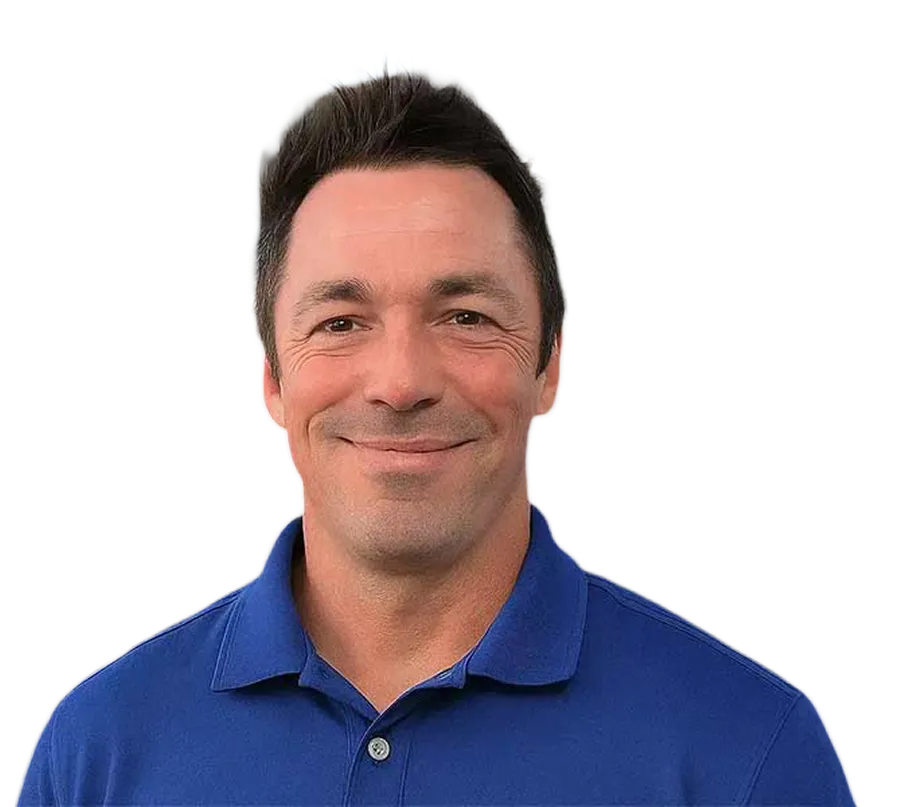
Matthew Marsh- Roofr of the Month - May 2026
Learn about our May 2026 Roofr of the Month: Matthew Marsh. Matthew has been using Roofr for about 1.5 years, and loves the proposal tool.
Is Roofing Hard? The Pros & Cons of Being a Roofer
Is roofing hard? Is roofing a good career? If you're thinking of getting on a roof, read our insider take on the pros, cons, and reality of being a modern-day roofer.
.avif)
How to Start a Roofing Business and Grow It in 2026
Starting a new roofing business? Follow this strategy to execute your business plan and achieve success.


More episodes
.png)
Cross-Training Crews to Survive Buffalo Winters (w. Chandler Pedini)
Chandler Pedini, our October 2026 Roofr of the Month, cross-trains his in-house crew on other trades to keep them busy year-round. Check out his story.
.png)
Physio Advice for Roofers: How to Prevent Aches, Pains, and Injuries
Physiotherapist Colby Bucci shares tips on how roofers can stay fit and safe on the job. We're talking stretching, rest, recovery, and treating yourself like an athlete.
.png)
Staying Lean, Winning Retail, and the 60 Second Response Time
Owen Atherton, Roofr of the Month for September 2026 and a first-year business owner, shares his strategy behind staying lean, marketing everywhere, and responding to everyone within 60 seconds.
