

Roofr of the Month
.webp)

.webp)
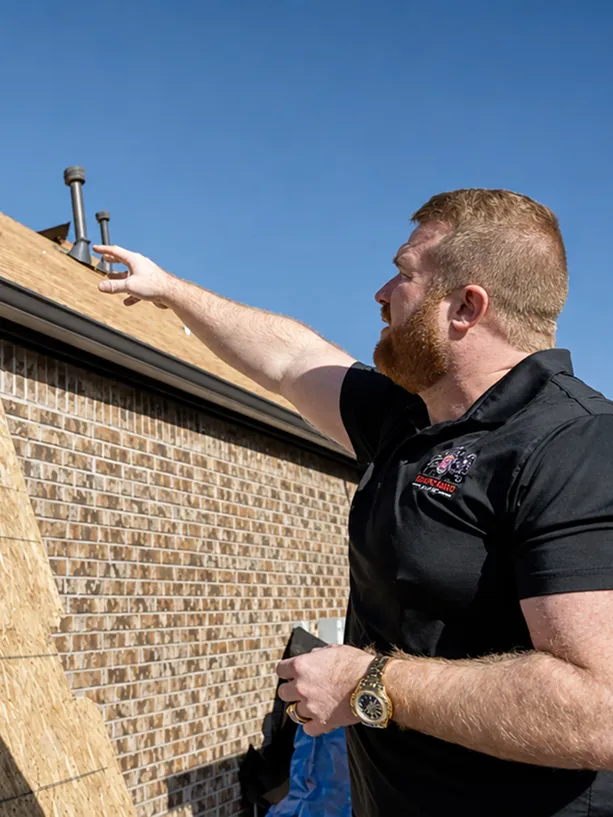
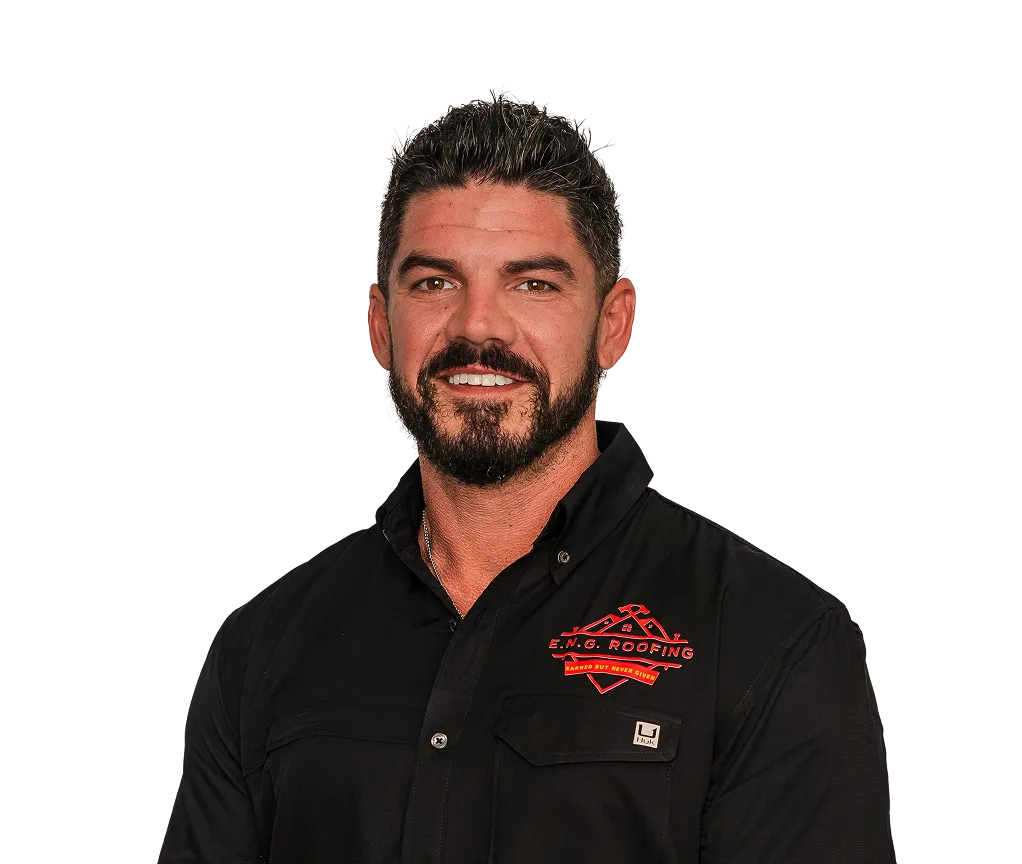
Ken Conrad was a kid the first time he watched his dad fix a roof. His father ran Twin Oaks, a tree service company in Tulsa. When a storm knocked a branch through someone's shingles, he'd climb up and patch it himself. That side hustle became Affordable Roofing. But when his dad passed away in 2008, Ken took that name off the trucks. Too many callers were dialing for the cheapest bid, not the best one. In 2010, he put the family name on the door instead: Conrad's Roofing.
Ken didn't exactly set out to be a roofer. He dropped out in the 10th grade and went to work knocking on doors in Oklahoma City. More than once, he was told to go bother somebody else. But he kept showing up.
18 years later, Ken runs one of Tulsa's biggest roofing companies. He projects $20-21M USD in revenue this year, with 28-30 employees and 130-140 subcontractors moving on any given job. Vertical integration is the name of the game. Conrad’s private-labels their own nails, felt, sealants, and pipe boots. And they're currently designing their own shingle. Their goal: cut out the middleman, and put that money back into the crew.
Conrad’s biggest lead generator has been billboards. 60 of them, scattered across the highways leading into Tulsa. The billboards have a "22-point inspection" hook and a classic arms-crossed look Ken borrowed from an old Mr. Clean ad. And they really work. Business doubled almost overnight. Today, 40-50% of Conrad's calls come straight off the highway.
The secret to their success? Ken calls it the Disney World experience, a philosophy he borrowed from Steve Jobs on the gap between good and great. It's rolling in the trash cans before you leave. It's swapping the smoke alarm battery before you climb the ladder. It's keeping a can of WD-40 in the truck for a squeaky door. "People don't care how much you know," Ken says, "until they know how much you care."
.webp)
.webp)
.webp)
"People think success is this grand certificate. Really, it's just sweat and overalls.”

Estimates Reduced From Days to Minutes
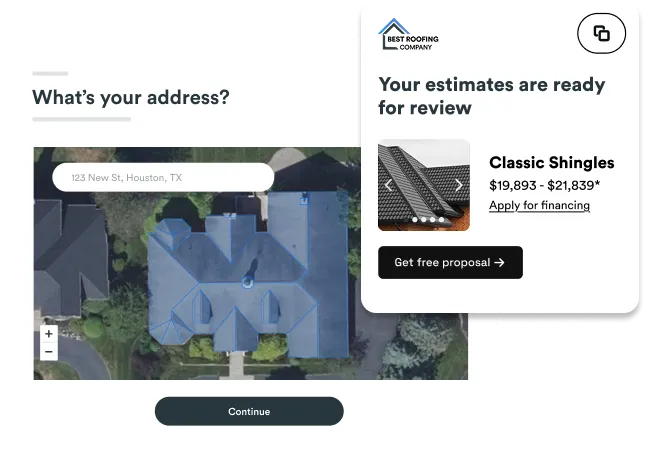
Before Roofr, getting a homeowner from a wind claim to an actual number took time Ken didn't have to spare. A measurement report had to travel from EagleView to a finished estimate — 24 hours on a good day, four or five days on a bad week. Now that gap is measured in minutes, not days.
It tracks with what we hear straight from homeowners: 74% say responsiveness matters more to them than price (Roofr 2026 Homeowner Survey). For Ken, a faster estimate isn't just a convenience. It's the whole sales pitch.







.webp)
